


Uzbekistan is finalizing food safety norms for WTO
11.12.2025 1666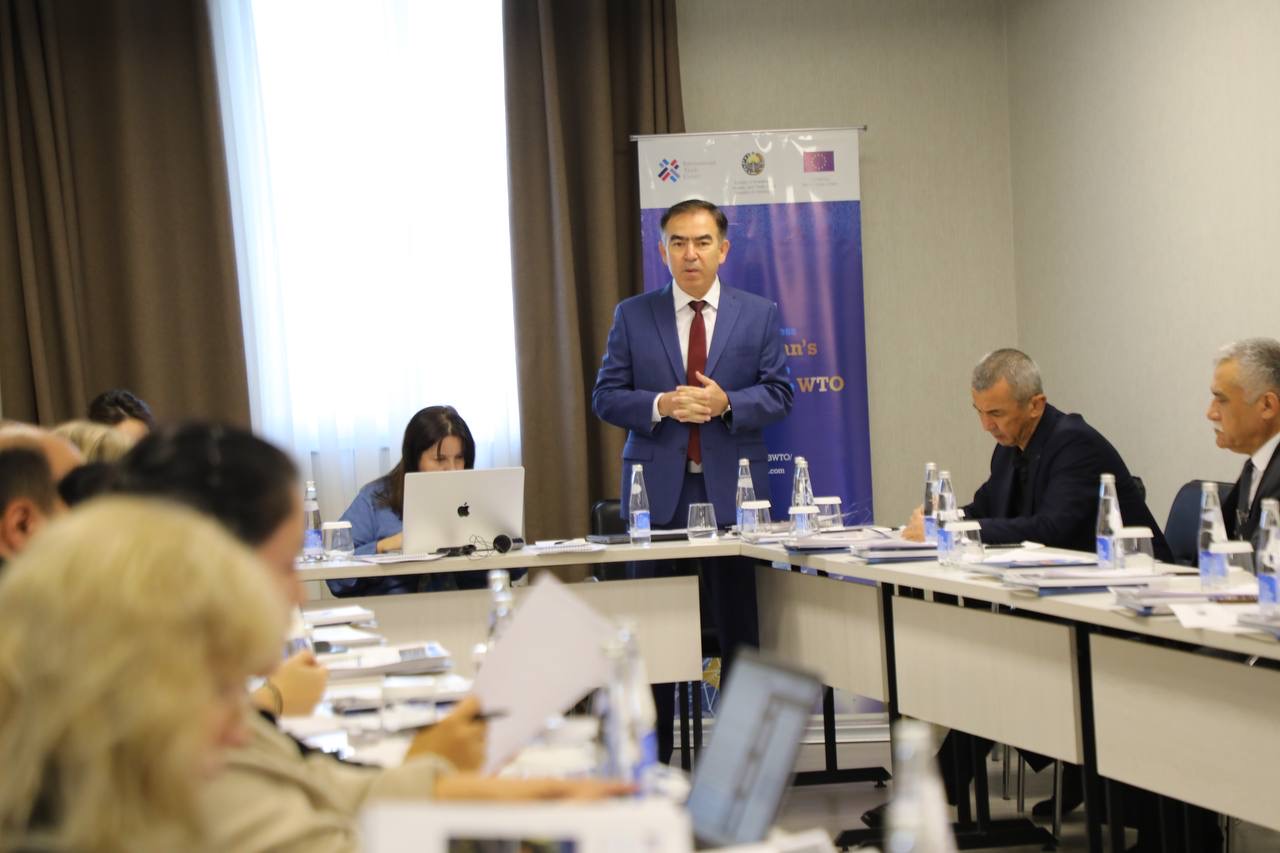
As Uzbekistan’s journey towards World Trade Organization (WTO) membership enters the home stretch, the country is getting ready to adopt a series of technical rules on food safety controls. This work is crucial for the accession process.
The International Trade Centre (ITC) is helping to advance six selected norms so Uzbekistan aligns with international food safety principles. These measures will comply with WTO sanitary and phytosanitary (SPS) requirements.
This area of trade law is technical and complex. Therefore, ITC is not only assisting with developing sanitary rules and norms (in trade speak they are called SanPiNs) but is also enhancing the knowledge of the responsible authorities on the principles of international food safety and hygiene rulemaking. In parallel, ITC has been alerting food business operators to the key expected changes and the practical implications these will have on their daily operations.
Earlier this year, the Committee on Sanitary and Epidemiological Welfare and Public Health (San-Epid committee) was assigned as the competent authority responsible for food safety controls. Part of the committee’s task was therefore to develop relevant SanPiNs in line with international standards as set by the Codex Alimentarius.
The committee asked the ITC’s assistance to help draft the SanPiNs and give guidance on their application.
During a mission from 3 to 7 November 2025 to Tashkent, an international consultant with expertise in WTO SPS food safety policy gave two sets of practical workshops on these SanPiNs.
Workshop with rulemakers
The first two-day workshop focused on engaging the food safety competent authority in a detailed review of the SanPiN legal texts, including selecting the reference regulatory framework, the principles of international requirements, and the clarification of terminology ambiguities to ensure consistent application. Guidance was also provided on specific testing methods, sampling procedures, official control systems, and other technical aspects relevant to each of the SanPiNs.
The norms covered were SanPiNs on:
• food additives
• microbiological criteria in food
• contaminants in food
• residues of pesticides in food, and
• residues of veterinary medicines in food and feed.
The workshop emphasized the link between the SanPiNs and Uzbekistan’s new Food Safety Law, as well as the additional SanPiNs and secondary regulations that need to be developed to fully implement the law.
Preparing private food operators
The second two-day workshop series again included members of the San-Epid Committee, but this time also brought together the responsible SPS authorities from the State Veterinary and Livestock Development Committee, and private food operators from sector associations and representatives of the meat processing, dairy and beverage industries. The purpose was to sensitize value chain actors to the expected key changes and guide them on the practical application of the same set of SanPiNs, and clarify their scope, requirements and technical particulars.
Following the workshop, it was agreed that relevant authorities and private sector representatives would share their comments with the food safety competent authority for a final round of feedback. A final review will then be conducted, incorporating comments where applicable. Once finalized, the SanPiNs will be ready for adoption.
This critical work – ensuring that the food safety system aligns with the WTO SPS Agreement requirements – is taking place under the EU-funded project Facilitating the process of Uzbekistan’s accession to the WTO.