


Uzbek certification authorities gain insights from EU peers on rules of origin issues
31.12.2025 887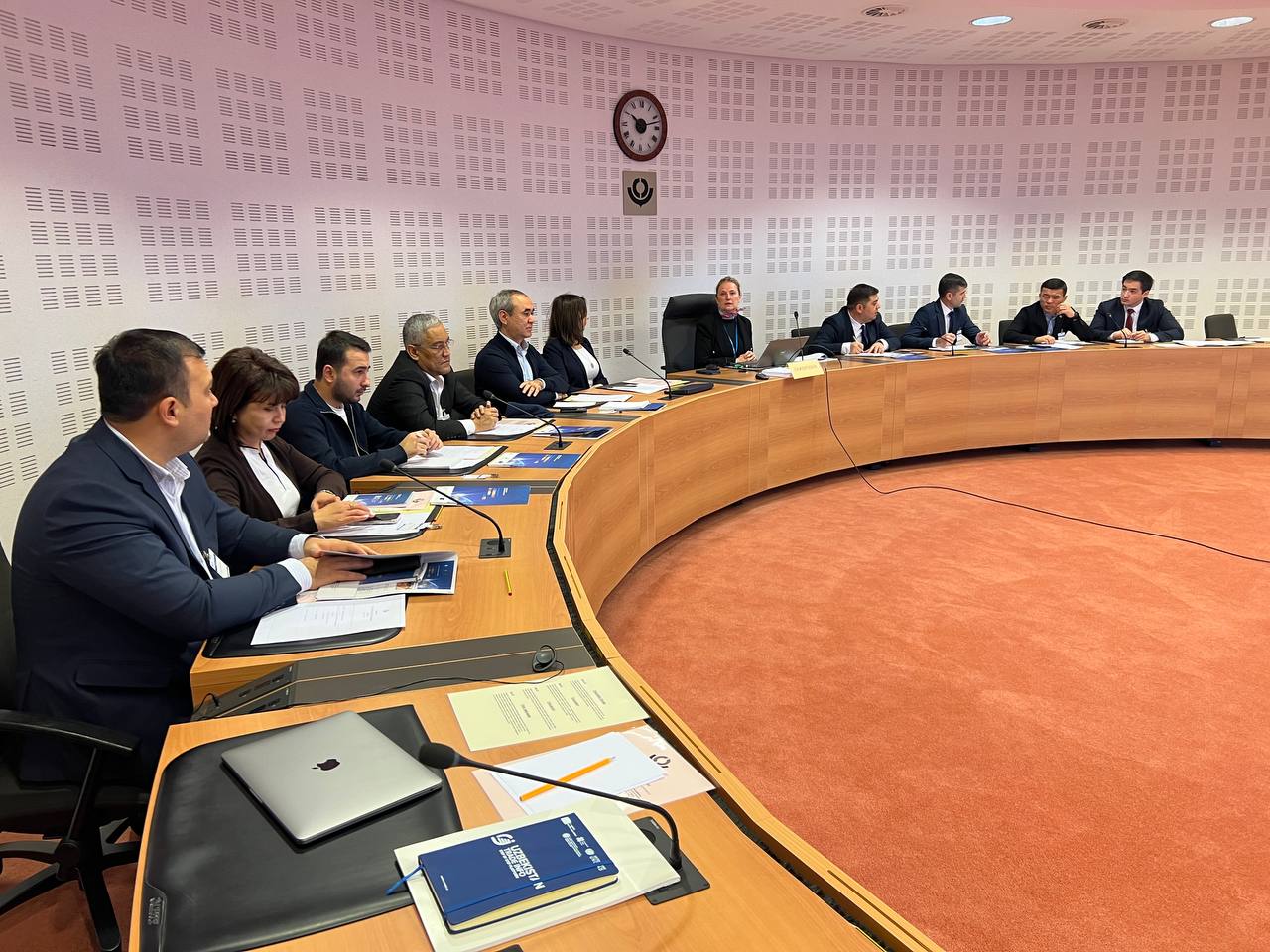
A delegation of nine senior customs and certification officials of Uzbekistan visited Brussels in December to meet with European counterparts and learn about rules of origin procedures and othertrade inspection issues ahead of Uzbekistan’s accession to the World Trade Organization.
The high-level mission, which took place from 16 to 18 December 2025, was organized at the request of Uzbekexpertiza LLC, the public corporate that issues Rules of Origin (RoO) certificates andprovides inspection services, in support of Uzbekistan’s export industries.
The visit’s aim was to bolster the officials’ expertise in the area of RoO through practical experience-sharing with the experts that administer the European Union’s Registered Exporter (REX) system.
The delegation met with representatives of the European Commission’s Directorate-General for Taxation and Customs Union (DG TAXUD) who provided a comprehensive overview of the EU’s regulatory framework for Rules of Origin, including the applicable regulatory frameworks and related policy developments. The presentation covered preferential and non-preferential RoO, and explained obligations on origin under the General System of Preferences (GSP), which is an instrment under which developed countries can give preferential treatment to developing countries that is compliant with WTO rules. The functioning of EU’s REX system was also explained.
The delegation gained insights on key technical concepts such as ‘wholly-obtained goods’, ‘sufficient processing’ and ‘insufficient operations’ and they were familiarized with risk-based verification, post-clearance controls and administrative cooperation.
Practical grounding
Practical demonstrations of Belgian customs procedures on origin certificates and Ukraine’s electronic issuance gave them valuable insight into how Rules of Origin are administered on the ground.
The delegation also met with representatives of the Belgium Chamber of Commerce where they gained a solid understanding of how certification functions are separated from customs controls, and how digital state-owned platforms are used to issue and verify RoO certificates.
The Chamber gave a demonstration of the electronic certification platform and how it facilitates fraud prevention and traceability, and safeguards confidentiality.
The concrete, operational examples proved highly relevant forUzbekistan’s ongoing institutional reforms to align its Rules of Origin with WTO requirements.
The delegation also had the chance to meet officials of the World Customs Organization (WCO) and learned about theorganization’s operations and how RoO issues are treated at the multilateral level.
The visit will help Uzbekistan in its efforts to align its national
procedures with international standards on RoO and has familiarized the officials with the administration of related procedures.
The visit was sponsored by the EU project “Facilitating the process of Uzbekistan’s accession to the WTO” marking the lastevent that took place under this project’s first phase.