


Uzbekistan grapples with complexities of Rules of Origin
18.12.2025 1229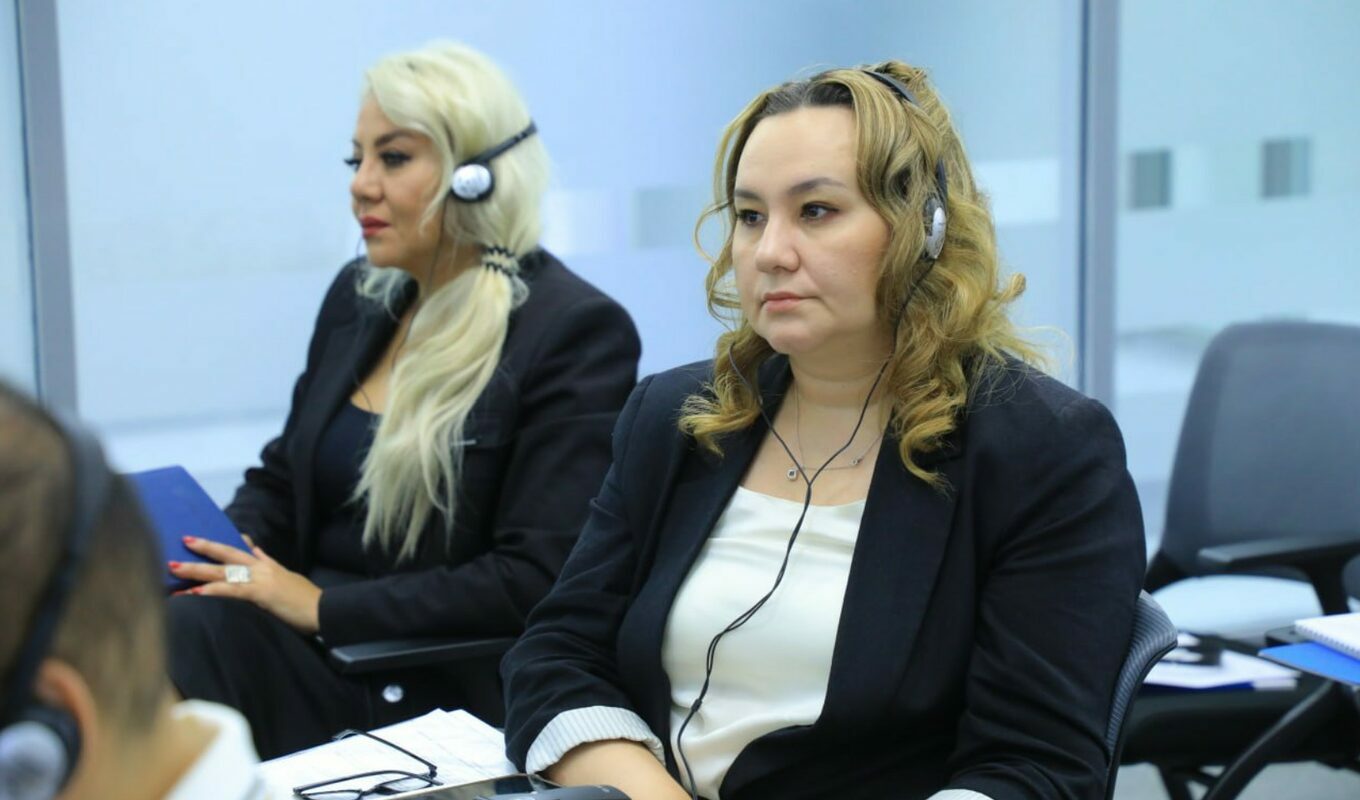
Officials responsible for export activities in Uzbekistan recently underwent intensive training on Rules of Origin regulatory issues, ahead of the country’s anticipated accession to the World Trade Organization next year.
Rules of Origin (RoOs) are the criteria that are used to define where a product was made. This is necessary to determine whether a product would be eligible to attract a particular tariff. This is especially relevant for preferential tariffs that apply under free trade agreements. They are therefore an essential part of international trade rules.
But RoOs are not only central to customs procedures and free trade areas (FTAs); they are also used to support trade remedies, inform trade statistics, enhance supply chain transparency and help ensure customs and regulatory compliance.
As the country is in the process of updating its RoO legal framework to align domestic legislation with WTO rules and global best practice, the ITC delivered a specialized RoO training for experts of LLC Uzbekexpertiza, which oversees, verifies, and certifies the country of origin of goods, provides laboratory testing, issues export-related documents, and publishes a public registry of local products and manufacturers, among other tasks.
The entity is responsible for certifying the “country of origin” of goods and issuing export-related documents. It also provides independent certification and inspection services to exporters.
The ITC in response organized a three-day RoO training workshop from 17 to 19 September in Tashkent. The deputy chair of the Customs Committee opened the training, which benefited 97 senior officials, including inspectors and auditors from Uzbekekspertiza and the country’s Customs Committee.
‘Spaghetti bowl’ problem
The first day introduced the general concept and strategic relevance of RoO and their key methodologies. A distinction was drawn between the WTO’s non-preferential RoO and FTAs’ preferential rules, and the EU’s preferential RoOs were treated. The dilemma of overlapping FTAs and differing RoO – the notorious “spaghetti bowl problem” – was discussed along with strategies to simplify RoO.
The second day delved deeper into technical aspects, such as procedures for issuing certificates and the EU REX system of self-certification. Global best practice in RoO legal implementation, using examples from ASEAN and Latin America, were also discussed.
The last day was dedicated to Uzbekistan’s own legislative review and how to approach it. Participants also walked through the different agencies’ mapping roles and how to overcome coordination challenges. A session on private sector engagement and common errors with certification and compliance concluded the session.
97 representatives of LLC Uzbekexpertiza and the Customs Committee attended the training, which was delivered under the EU project Facilitating the process of Uzbekistan’s accession to the WTO.